Heat is the most
reliable thing.
Sidewalks have an answer for it that maps don't bother to print: pick the shaded side, cross when it switches, leave a few minutes earlier.
Stay Cool started as a single question — what would it look like if a map knew which side of the street was cool right now, the way a local does? The first version was a hand-drawn line on a napkin in Tudor City.
The current version is the same line, computed. It runs on the geometry of every building in the cities we map, the angle of the sun overhead, and the slow drift of the shadow line across the sidewalk through the day.
Two ingredients.
One math.
A polygon for every standing structure in the cities we cover. The sun's position relative to your route at the moment you're walking. Cross the two and you know where the shadow lands.
Building geometry
We pull every footprint in our 39 deep-coverage cities and augment it with LIDAR-derived heights. Every standing structure becomes a polygon the router knows about.
Sun position
Computed against the live solar almanac for your location and the time you'll be walking. Scrub the time-of-day slider and the routes recompute against the new sun line.
On your phone
The math runs on-device. Routes don't leave your phone. The only network call is to Open-Meteo for weather, which doesn't need to know who you are.
We try to write like
an almanac.
Slow, specific, willing to say 'don't walk this block at 2 PM in July.' The field-guide tone isn't a marketing posture; it's the voice of the person building it.
We don't keep your routes. We don't require an account. We don't sell ad IDs. The map runs on your phone.
A handful of notes pinned above the desk over the year. Some of them ended up in the app's copy verbatim.
I'd lost
the math.
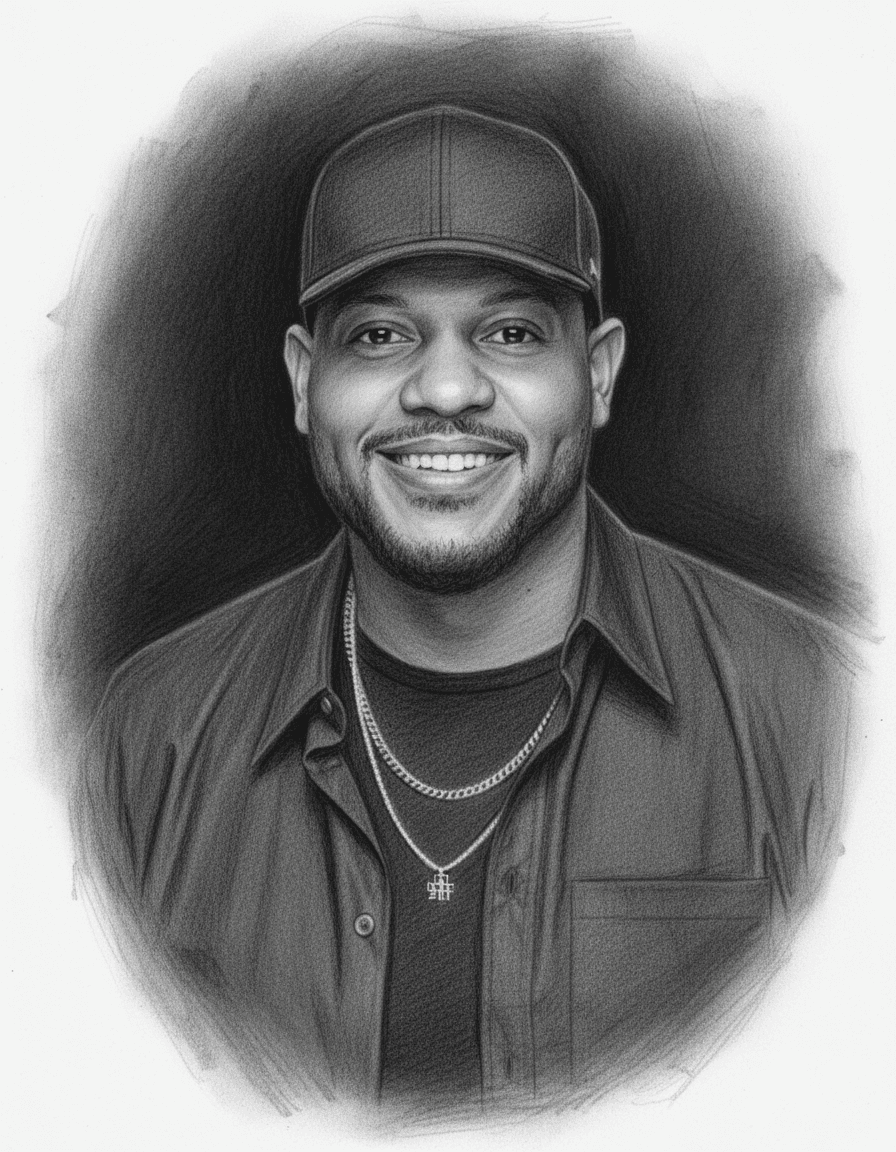
It didn’t help that I only wear black. No matter the season, no matter the weather. In Brooklyn in July, that’s not a fashion choice so much as a tax — every block of sun is paid in degrees. The cool side of the street isn’t an aesthetic preference. It’s the difference between making it to where you’re going, and not.
THE PIVOT“So I taught a phone to do it for me.”
Stay Cool models the geometry of every building, the angle of the sun, and the slow drift of the shadow line across the sidewalk. Then it routes you the way you’d walk if you had all afternoon to figure it out — without the afternoon.
The whole thing was made solo. One person, one AI partner, the better part of a year of conversation. The maps, the math, the code, the words you’re reading right now — all of it came out of that back-and-forth. No team. No investors. No agency telling me what the field-guide voice was supposed to sound like. Just me, a model, and the slow figuring-out of a city I’d been walking the wrong side of for years.
Write me a letter.
Every note lands at the address on the right. It's me reading them.
Walk the shaded side.
The day is moving.